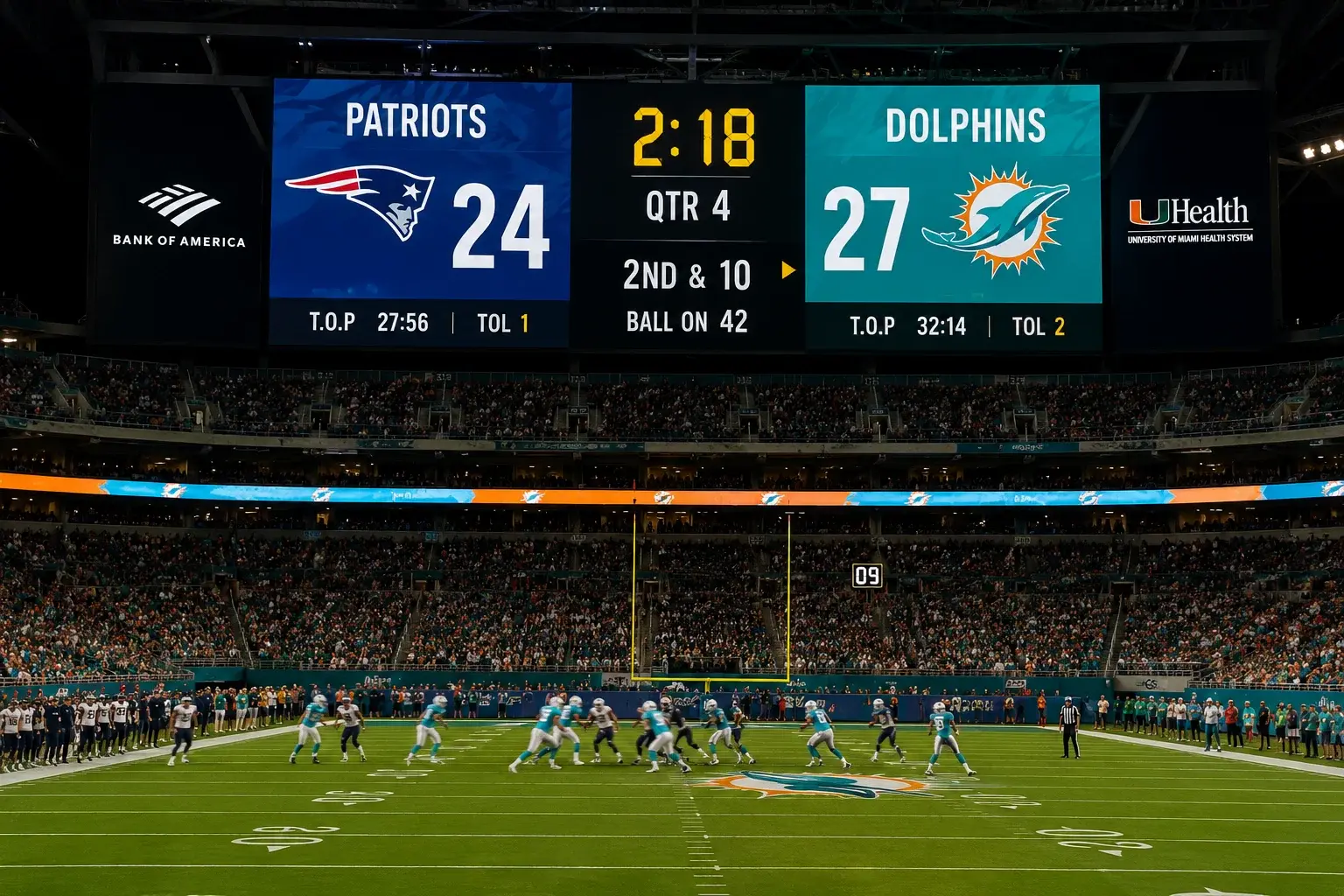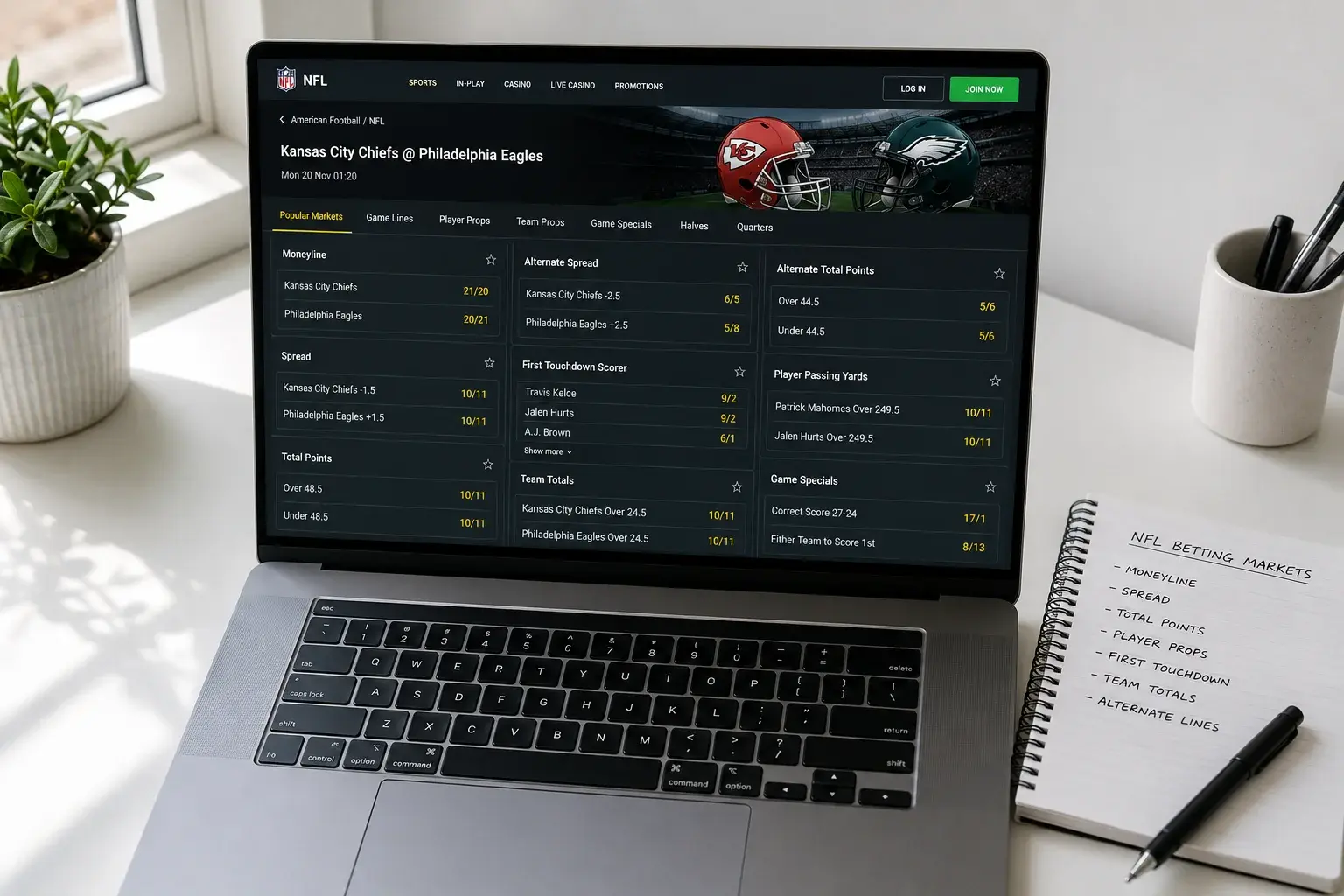

I get this question at least once a week, usually from someone who has just watched their first London game and is buzzing to put a few quid on next Sunday’s slate. The short answer is yes — NFL betting is entirely legal in the UK, and it has been for as long as licensed bookmakers have existed. There is no special carve-out, no restricted list of sports, and no grey area. If a bookmaker holds a Gambling Commission licence, it can offer markets on any sport it chooses, and American football is firmly on the menu.
The longer answer matters, though. Legality is not the same as safety, and knowing that you can bet on the NFL does not tell you much about what protections you actually have when you do. Ten percent of UK adults currently place online sports bets, while 47% participate in some form of gambling. That is a massive market, and it runs on a regulatory framework that has been tightened considerably over the past two years.
UKGC Framework: Betting Safely on Licensed NFL Platforms
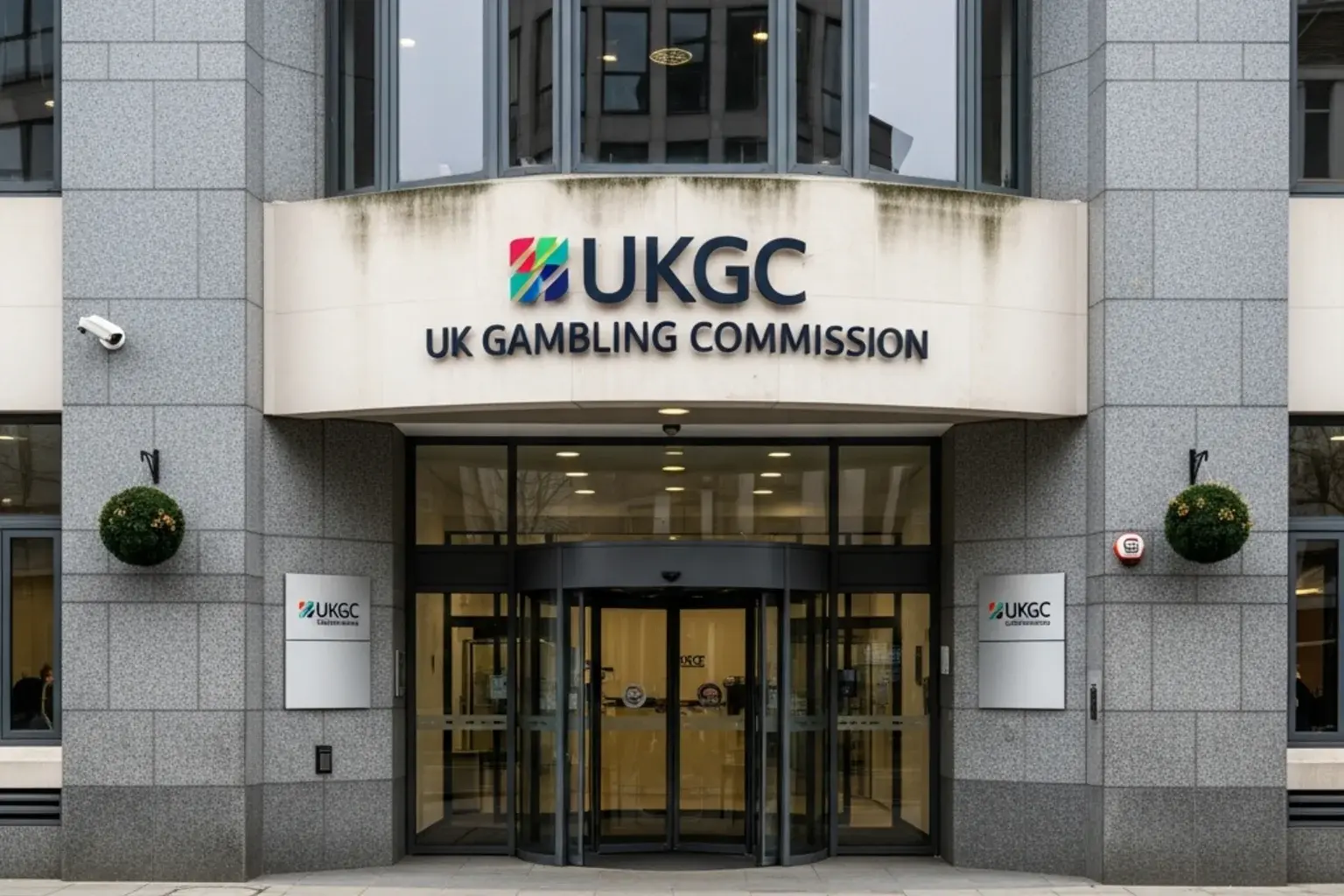
When someone asks whether the Gambling Commission “covers” NFL betting specifically, they are usually imagining a sport-by-sport approval process. It does not work that way. The UKGC issues operating licences that permit categories of gambling activity — remote betting, remote casino, non-remote betting — rather than approving individual sports. Once a bookmaker holds a remote betting licence, it can legally offer markets on NFL, darts, Mongolian wrestling, or anything else it has the data feeds and risk appetite to price.
The total number of licensed operators in the UK has dropped to 2,179 — a 3.7% decline year on year — as the Commission raises the bar for compliance. Every one of those operators is bound by the Licence Conditions and Codes of Practice, a living document that dictates how they handle everything from customer funds to marketing to dispute resolution. The LCCP does not distinguish between a Premier League football match and a Week 12 NFL game. The same rules apply.
Andrew Rhodes, the Gambling Commission’s chief executive, flagged in late 2025 that additional investment in tackling illegal gambling and criminal investigations depended on funding that was not guaranteed beyond mid-2026. That is a regulatory concern worth watching, but it does not change the legality of betting with licensed operators. It does, however, underline why sticking to UKGC-licensed sites matters — the enforcement apparatus exists, even if its future funding is under discussion.
One detail that surprises Americans: UK betting law is national, not regional. There is no equivalent of the state-by-state patchwork that governs US sports wagering. If you are a UK resident over 18, you can bet on the NFL from any corner of England, Scotland, Wales, or Northern Ireland, on any device, at any hour. The framework is uniform.
What Consumer Protections Come With a UKGC Licence
Legality without protections would be meaningless. Here is what the licensing framework actually guarantees when you place an NFL bet with a UK-regulated bookmaker.
Your funds must be held in a way that protects them if the operator goes bust. The UKGC requires all licensees to ring-fence customer money or hold it in trust accounts, depending on the level of protection they have opted for. Check the operator’s terms for language about “basic,” “medium,” or “high” levels of fund protection — “high” means your balance is protected in its entirety via a trust arrangement.
Financial vulnerability checks now trigger at £150 in net deposits over a rolling 30-day period. Operators must assess whether a customer shows signs of financial harm at that threshold, using data from credit reference agencies and behavioural markers. This is not about denying you access to your own money — it is a mandated safeguard against gambling beyond your means. From January 2026, the regulatory screw tightened further: mixed promotional bonuses are banned, and wagering requirements on all bonuses are capped at ten times the bonus amount. Both changes are part of the ongoing implementation of the 2023 Gambling White Paper, and they directly affect how the 2025 UKGC reforms reshape the promotional landscape.
Dispute resolution is another layer. If you believe a bet was settled incorrectly or your account was treated unfairly, you can escalate through the operator’s internal complaints process and, if that fails, to an independent Alternative Dispute Resolution provider. The ADR bodies are approved by the Gambling Commission, and their decisions are binding on the operator. You do not need a solicitor.
Tax on NFL Betting Winnings in the UK
This is the part that makes American bettors jealous, and rightly so. Gambling winnings are not taxable income in the UK. Period. It does not matter whether you win £50 on a Sunday moneyline or land a five-figure accumulator on Super Bowl night — HMRC does not want a cut.
The tax burden falls entirely on the operator. Bookmakers pay a 21% gross profits tax on their remote betting revenue, plus the new statutory levy that replaced voluntary contributions to research, education, and treatment from September 2025. Those costs are baked into the odds you see on screen. You never file anything, declare anything, or set aside anything. Your winnings are yours.
There is one edge case worth mentioning: if gambling becomes your sole or primary source of income — say you quit your day job and bet professionally for a living — HMRC has historically not reclassified that income as taxable, but the question has never been tested rigorously in court for sports betting. For the overwhelming majority of NFL punters placing recreational wagers, the position is clear and unambiguous: no tax on winnings.
Why Unlicensed Offshore Sites Are Risky
Every NFL season, I see forums where UK punters discuss signing up to US-facing sportsbooks via VPNs, lured by sign-up bonuses that dwarf anything available domestically. I understand the temptation. The reality is considerably less glamorous.
Using an unlicensed site from the UK means none of the protections above apply. No fund segregation. No ADR process. No financial vulnerability checks. No recourse through the Gambling Commission. If the site freezes your account, confiscates your balance on a technicality, or simply disappears, you have no regulatory body to complain to and no legal standing to pursue.
There is also a practical problem. The statutory levy that now funds gambling harm research and treatment in the UK is paid by licensed operators. Every time someone takes their betting activity offshore, that is money that does not flow into the support network. The system works because it is funded, and it is funded because UK bettors use licensed platforms. The introduction of the statutory levy in September 2025, replacing the old voluntary model, was designed to make this funding stream more robust and less dependent on operator goodwill.
I have nothing against American sportsbooks as products — some of them are excellent. But they are built for a different regulatory environment, with different consumer protections, and accessing them from the UK via workarounds puts you outside every safety net the British system has built. The NFL betting markets at UK-licensed bookmakers are deep, competitive, and fully legal. There is no edge to be gained by going offshore.